
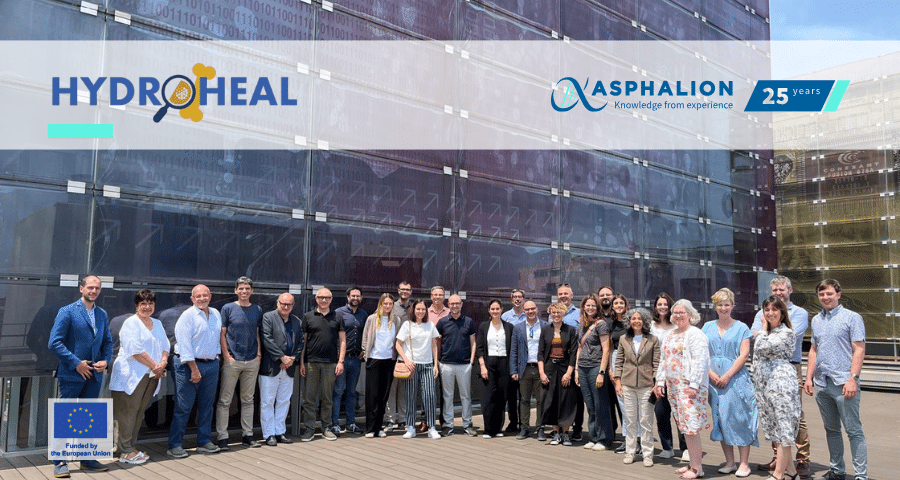
An international consortium led by the Technical University of Valencia (UPV) has launched HYDROHEAL, a European project whose objective is to transform the treatment of bone fractures, using new advanced and smart biomaterials. These materials will help reduce the risks of infection and implant rejection, also reducing fracture recovery times.
The project focuses on the development and application of new biomaterials in the treatment of vertebral and alveolar fractures (in the jaw, at the base of the teeth), especially in complex cases resulting from osteoporosis, cancer, or trauma.
Microparticles within a hydrogel to regenerate bone
The HYDROHEAL project team aims to develop microparticles that will allow the incorporation and transport of several active pharmaceutical ingredients, encapsulated within bioresorbable and self-solidifying hydrogels. Their use would contribute to improving treatment efficacy, preventing bacterial infections, and speeding up recovery times.
Innovative Technology
The innovative microparticles will be developed in HYDROHEAL with a fine-tuned “layer-by-layer” coating technology. This method, according to the project consortium, allows for the addition of several layers that carry different active molecules each, facilitating their release and at the right time during treatment.
A multidisciplinary and European consortium
HYDROHEAL involves 13 partners from 8 European countries, including leading universities, hospitals, technology centres, and companies in the pharmaceutical and biomedical fields.
Asphalion is proud to be in charge of the Regulatory roadmap of the project, managing the submission of the clinical trial and the safety management plan.
For further information, or if you need help for your HORIZON EU projects, contact us at: [email protected]
Disclaimer:
Views and opinions expressed are however those of the author(s) only and do not necessarily reflect those of the European Union or the European Health and Digital Executive Agency. Neither the European Union nor the granting authority can be held responsible for them.